New Aerial Threat: Experts Explain the Dangers of Russia's Jet-Powered 'Geran-5' Drones
Russian forces have introduced jet-powered modifications of Shahed-type drones, significantly increasing their speed, kinetic energy, and impact on urban infrastructure.
 🏙️City
Photo: TSN
Key points
- The 'Geran-5' is 2.5–3.5 times faster than standard Shahed drones.
- Increased kinetic energy allows for deeper penetration into buildings.
- New versions feature optical navigation and improved flight range.
Russian forces continue to modernize their aerial attack capabilities by integrating jet engines into familiar strike drone models. Specifically, the emergence of the 'Geran-5' modification creates new challenges for the safety of Ukrainian cities, including strategic hubs like Lozova. The primary difference of this new version is a significant increase in flight speed, which directly affects air defense effectiveness and the nature of ground destruction.
Technical Specifications and Destructive Potential
According to aviation expert Bohdan Dolintse, the speed of the jet-powered 'Geran-5' is 2.5 to 3.5 times higher than that of standard Shahed drones. With a warhead weighing approximately 90–110 kilograms, this speed grants the drone immense kinetic energy. This allows the munition to penetrate much deeper into buildings, piercing floors and walls that might have previously withstood impacts from slower counterparts.
Modifications with thermobaric munitions pose a particular danger.
"The most dangerous for buildings are the so-called munitions that spray aerosol,"Dolintse noted. Such explosions lead to the destruction of load-bearing walls, which can cause the complete collapse of building sections or entire structures.
New Navigation Systems and Future Threats
Beyond speed, the occupiers are improving guidance systems. The 'Geran-5 K5-K' modification is equipped with optical navigation, allowing the drone to better orient itself in the terrain. Increased range and flight altitude have also been recorded. Simultaneously, reports are emerging about tests of an even faster model — the 'Geran-6', which could potentially reach speeds of up to 1000 km/h.
For residents of rear cities, this means a reduction in time between the air raid siren and the potential moment of impact. The high speed of jet drones makes them harder targets for mobile fire groups, which typically rely on machine guns and anti-aircraft guns to down slower targets.
Source TSN — tsn.ua/zbroya/utrychi-shvydsha-za-zvychaynyy-shakhed-aviaekspert-poiasn… ↗
Read next
 🚨Events
Inter-agency Conflicts Among Law Enforcement: Expert Warns of Risks to Anti-Corruption System
Political expert Oleksiy Buryachenko stated that the struggle between NABU, SAP, DBR, and OGP is turning into internal wars for influence.
 💼Economy
Financial Crisis in the Agricultural Sector: Ukraine Faces Risk of Mass Farm Bankruptcies
Ukrainian agricultural producers have depleted their financial reserves due to attacks and export challenges, risking the first bankruptcies by spring.
 🎓Education
Denmark to Ban Smartphones in Schools Following Poor PISA Results
The Danish government is introducing a mandatory ban on smartphones and internet-connected devices in schools up to the 10th grade amid declining student performance.
 🏛️Politics
EU Responds to Moscow's Invitation, Emphasizes Multilateral Negotiation Format
The European Commission maintains its stance on inclusive security talks involving NATO and EU members, prioritizing multilateral cooperation over bilateral invitations f…
 🏛️Politics
SAP Prosecutor Praises NABU Media Team Amid Criticism of Evidence Quality
SAP prosecutor Rostyslav Batig highlighted the professionalism of NABU's video editors when questioned about the effectiveness of evidence in high-profile anti-corruption…
 🛡️Security
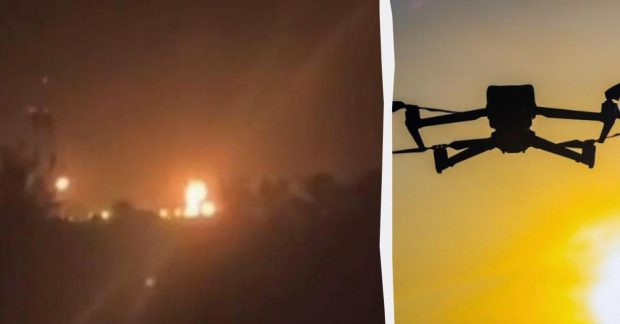
Strike on Novoshakhtinsk Refinery: Russia Faces Severe Drop in Oil Processing
A massive drone attack halted operations at the Novoshakhtinsk oil refinery in Russia's Rostov region, exacerbating a broader fuel sector crisis.